Hydration & Habit

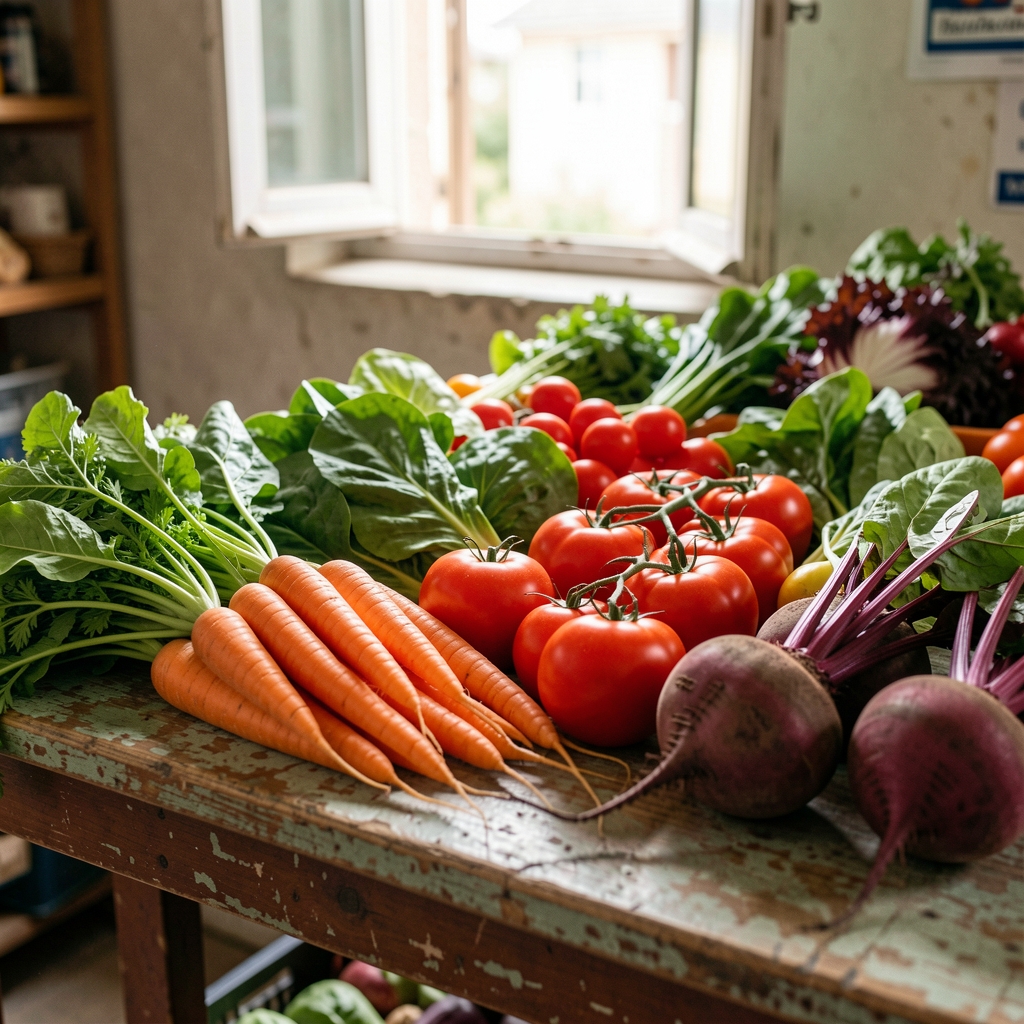
The calendar's turn from summer to autumn brings with it a quiet shift in the kitchen. Root vegetables replace salad leaves; warming broths take the place of cold-pressed preparations. For those attentive to the composition of their plates, seasonal eating offers more than variety — it offers a framework aligned with the body's own rhythms of digestion and energy use.
Seasonal produce has been a subject of renewed attention in published nutritional literature over the past decade. The central observation is straightforward: fruits and vegetables harvested at peak ripeness and consumed within a short window contain higher concentrations of certain micronutrients than those transported across hemispheres and stored under controlled atmosphere. The specific gains vary by variety and growing region, but the directional finding holds consistently across reviewed studies.
Beyond nutrient density, seasonal produce shapes the dietary fibre profile of a household's meals in ways that are often overlooked. Autumn's brassicas — cavolo nero, purple sprouting broccoli, Brussels sprouts — deliver soluble and insoluble fibre in configurations that differ markedly from the summer courgette or spring asparagus. A plate that tracks the season is, in this sense, also a plate that introduces structural variety to the digestive environment over time.
The practical challenge is not motivation — most people who think about food at all find the idea of seasonal eating appealing. The challenge is knowledge: which vegetables are genuinely local and seasonal at a given moment, and how to work them into a kitchen routine that is already under time pressure. The sections that follow address both questions.
The term "gut-friendly" has become a marketing register rather than a precise descriptor, which makes it worth unpacking. In the context of published dietary research, gut-supportive eating typically refers to two distinct mechanisms: providing fermentable fibres that nourish the bacterial population of the large intestine, and reducing dietary patterns associated with inflammatory responses in the gut lining.
Fermentable fibres — sometimes labelled prebiotics — are found in highest concentrations in leeks, onions, garlic, Jerusalem artichokes, and slightly under-ripe bananas. Including at least one of these in the daily plate is a simple structural habit rather than a complex dietary protocol. The microbiome research literature notes that diversity of plant sources correlates with diversity of bacterial species, which is itself associated with a more stable digestive environment.
Reducing inflammation-associated patterns is a more complex proposition and requires some nuance. The consistent finding across large observational studies is that high intake of ultra-processed foods, refined sugars, and certain industrial seed oils is associated with markers of gut permeability and systemic inflammation. Replacing even a portion of these with whole-food alternatives — whole grains, legumes, fresh vegetables, cold-pressed olive oil — shifts the dietary pattern in a measurably different direction.
What none of the research claims is that any single food or ingredient produces a dramatic transformation. The documented effects are gradual, cumulative, and dependent on consistent practice over weeks and months. This is the unglamorous reality of evidence-based nutritional guidance, and it is worth stating plainly.
"A plate that tracks the season introduces structural variety to the digestive environment over time.
— Galeno Field Notes, March 2026
Rather than a month-by-month exhaustive list, the following framework identifies four nutritional periods across the British growing year and the predominant whole-food sources available in each.
Purple sprouting broccoli, kale, leeks, parsnips, and stored root vegetables dominate. Fibre intake from this period tends toward insoluble sources. Legumes — lentils and dried beans — fill the gap left by limited fresh produce.
Asparagus, spring greens, radishes, peas, and broad beans arrive. This period offers the widest range of soluble fibre from fresh vegetables. Lighter cooking methods preserve more heat-sensitive B vitamins.
Tomatoes, courgettes, cucumbers, runner beans, sweetcorn, and stone fruits. Hydration from food sources increases naturally. Vitamin C from fresh tomatoes and peppers contributes to iron absorption from concurrent plant sources.
Squash, beetroot, celeriac, cavolo nero, Brussels sprouts, and wild mushrooms. Energy-dense root vegetables support caloric needs as activity patterns shift. Beta-glucan from oats and barley becomes a centrepiece of morning routines.
The value of this framework is not precision but orientation. Knowing broadly what is available removes the decision burden from shopping and cooking, which research on habit formation consistently identifies as a major barrier to sustained dietary change.
The following recipe profiles are structural, not prescriptive. They describe the composition and rationale of four dishes rather than providing exact measurements, in recognition of the fact that kitchen practice is inherently adaptive.
A combination of green or Puy lentils, sliced leeks, celery, and a bay leaf simmered in water or unsalted vegetable stock. Lentils deliver approximately 8g of fibre per 100g cooked weight, along with plant protein. Leeks provide fructooligosaccharides, a fermentable fibre that supports bacterial diversity. The dish is low in preparation time and high in the nutrient categories most relevant to gut-supportive eating.
Pearled or hulled barley provides beta-glucan, a soluble fibre with a documented role in supporting normal cholesterol levels, according to the European Food Safety Authority's published dietary references. Roasted beetroot adds dietary nitrates and a natural sweetness that makes the dish palatable as a standalone lunch. A dressing of apple cider vinegar and cold-pressed rapeseed oil completes the composition.
Home-prepared sauerkraut — raw cabbage fermented with salt over 5-7 days — contains live lactobacillus cultures alongside a modest fibre contribution. Served alongside warm brown rice, the contrast of temperatures and textures supports mindful eating pace. Research notes that slower eating is associated with more accurate hunger signalling. Brown rice adds whole grain fibre not present in white rice varieties.
Butternut or Crown Prince squash, tinned chickpeas, fresh ginger, and ground cumin form the base of a stew that covers four of the major fibre categories in a single dish: soluble fibre from chickpeas, insoluble fibre from squash skin (if kept on), resistant starch from chickpeas that have been cooled and reheated, and prebiotic fructans from the onion base. This structural diversity is what makes the dish genuinely useful as a weekly staple.
The gap between knowing what to eat and doing so consistently is where most dietary intentions collapse. Three structural observations from the habit-formation research are worth integrating into a seasonal cooking practice.
First, batch preparation reduces the decision cost of individual meals. Cooking a large quantity of grains, legumes, or roasted vegetables once or twice per week means that assembling a gut-supportive plate on a busy evening requires assembly rather than cooking. The cognitive load drops significantly.
Second, the weekly market visit — or a consistent online order from a local box scheme — creates a bounded selection environment. When the available vegetables are determined by what arrived in the seasonal box rather than by a supermarket aisle, the choice architecture itself supports seasonal eating without requiring ongoing willpower expenditure.
Third, keeping a simple food log — not a calorie-tracking application, but a brief written note of what was eaten at each meal — generates data that supports reflection. Over a few weeks, patterns emerge: which meals are repeated by default, which vegetables are consistently avoided, which days of the week tend toward less-considered choices. This observational layer is what separates intentional eating from incidental eating.
None of these practices requires specialised equipment, subscription services, or significant time investment. They require only the consistent application of attention — which, in the end, is the irreducible ingredient in any durable change to daily routine.

Imogen Caldwell is a food writer based in Bristol with a background in home economics and published work across several UK food titles. Her focus is on practical, seasonal cooking for everyday households. She contributes seasonally to Galeno Field Notes.
More from this author →